Abstract
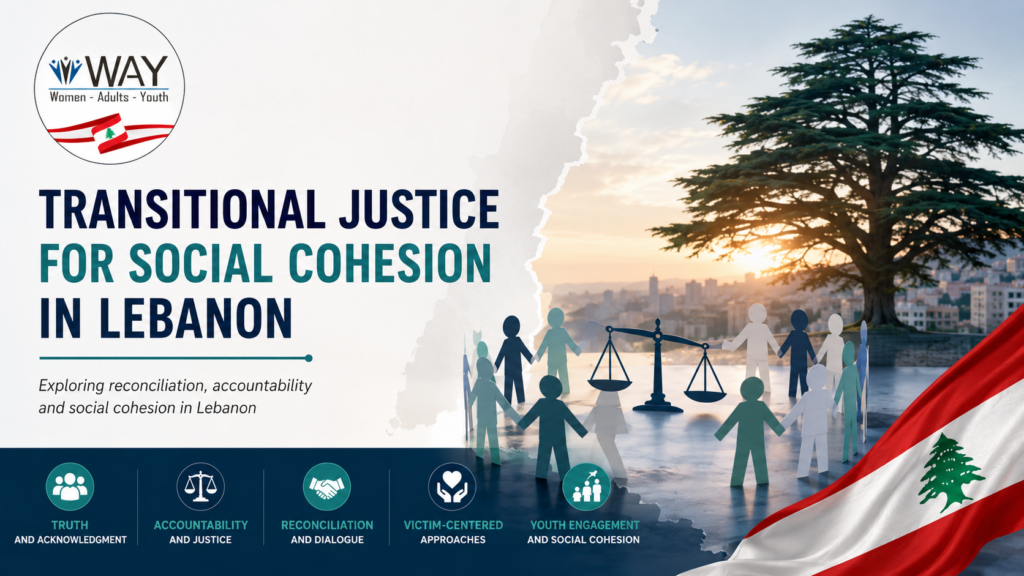
This paper delves into the enduring legacy of Lebanon’s civil war, questioning whether the conflict ever truly concluded in 1990 or if it persists in subtler forms. It examines whether deep-seated animosity remains entrenched as a “permanent identity of the Lebanese citizen” and probes whether valuable lessons have been learned from the war’s harrowing tragedies. This paper underscores the significance of forgiveness and mutual understanding as essential avenues for healing the enduring wounds of war. It assesses the extent to which the Lebanese people have genuinely come to know and reconcile with each other and whether justice has been effectively served for the victims of the war. Furthermore, the paper explores the commonalities shared among the Lebanese people and the collective endeavors required to break free from the shadows of conflict.
Introduction
Background and Context
Transitional justice is a critical concept that holds immense significance in societies recovering from the aftermath of conflict and grappling with corruption. It encompasses a multifaceted approach to address the legacies of violence, human rights abuses, and systemic corruption that have scarred nations, with the overarching goal of fostering reconciliation, accountability, and social cohesion. This research delves into the nuanced application of transitional justice in the specific context of Lebanon, a country deeply marked by a protracted civil war and plagued by pervasive corruption.
Significance in Post-Conflict and Corruption-Affected Societies
Transitional justice mechanisms provide a structured framework to confront the past, seek accountability for human rights violations, address grievances, and embark on a path toward reconciliation and social cohesion.
- In post-conflict societies: Transitional justice offers a roadmap…
- Corruption-affected: Transitional justice mechanisms can help combat corruption…
Unique Relevance to Lebanon
Lebanon’s history is characterized by a complex interplay of diversity, sectarianism, and conflict.
- Civil War Legacy: Lebanon’s civil war (1975-1990) had a profound and lasting impact on the nation. It tore at the fabric of society, pitting different sectarian and political groups against each other.
- Complex Sectarian Dynamics: Sectarianism has played a significant role in the nation’s politics and identity, and it has sometimes been manipulated for political gain.
- Accountability and Corruption: Transitional justice can serve as a means to hold corrupt individuals and institutions accountable, paving the way for much-needed reforms and helping to restore faith in governance.
- International and Regional Dynamics: A comprehensive transitional justice approach must consider these external factors while maintaining a focus on national healing and reconciliation.
- Youth as Catalysts for Change: Empowering and engaging the youth in Lebanon’s transitional justice processes can bring fresh perspectives and energy to the nation’s pursuit of justice and reconciliation.
In conclusion, Lebanon’s unique historical context, characterized by a devastating civil war, complex sectarian dynamics, corruption challenges, and external influences, underscores the significance and relevance of transitional justice.
Unique Relevance to Lebanon’s History
Transitional justice holds a unique relevance for Lebanon because it offers a framework to confront this painful history and its enduring impact. Transitional justice mechanisms, such as truth-telling, accountability for past atrocities, reparations for victims, and reconciliation efforts, provide a pathway for Lebanon to navigate its complex history and foster social cohesion.
Contemporary Challenges in Lebanon
Lebanon faces a myriad of contemporary challenges that amplify the importance of transitional justice:
- Political Stalemate: Addressing the past through transitional justice mechanisms can serve as a catalyst for political reform and reconciliation.
- Economic Crisis: Transitional justice can contribute to addressing the systemic corruption that has contributed to this crisis.
- Corruption and Accountability: Transitional justice can play a crucial role in holding corrupt officials accountable and restoring faith in governance.
- Sectarian Divisions: Transitional justice efforts can help transcend sectarian divides by fostering dialogue and emphasizing commonalities among different communities.
- Social Cohesion: Transitional justice provides a framework for healing and reconciliation, facilitating a sense of national unity.
In conclusion, the unique relevance of transitional justice to Lebanon’s history and contemporary challenges cannot be overstated. It offers a holistic approach to addressing the legacies of conflict, sectarianism, and corruption while charting a course toward healing, accountability, and social cohesion.
LEGAL AND INSTITUTIONAL FRAMEWORK
Defining Transitional Justice in the Lebanese Context
Transitional justice in the Lebanese context encompasses a multifaceted approach aimed at addressing the complex legacies of conflict, such as the civil war, and fostering a just and cohesive society. It comprises several interconnected components:
Truth-Telling
Transitional justice in Lebanon involves the pursuit of truth regarding past atrocities and human rights violations. Truth-telling mechanisms, such as truth commissions or public inquiries, can help provide a comprehensive account of the past.
Accountability
Accountability is a crucial dimension of transitional justice in Lebanon. It entails holding individuals and groups responsible for their actions during the conflict.
Reparations
Providing reparations to victims is another integral element of transitional justice. These reparation measures aim to address the harm done to individuals and communities during the conflict.
Reconciliation
Transitional justice seeks to foster reconciliation among communities and individuals who may have been divided by the war. Transitional justice serves as a comprehensive framework for addressing both historical wrongs and ongoing societal divisions in Lebanon:
- Historical Wrongs: By addressing historical wrongs, transitional justice acknowledges the suffering and seeks to heal the wounds left by the war.
- Ongoing Societal Divisions: By promoting reconciliation and fostering an inclusive process that involves all segments of society, transitional justice can contribute to reducing these ongoing divisions.
In summary, transitional justice in Lebanon is a multifaceted approach that addresses historical wrongs through truth-telling, accountability, and reparations while simultaneously working to heal ongoing societal divisions through reconciliation and dialogue. It offers a comprehensive framework for the nation to come to terms with its past and build a more just and unified society for the future.
LEGAL AND INSTITUTIONAL FRAMEWORK
Challenges and Hurdles
- Political Fragmentation
- Impunity and Powerful Warlords
- Sectarianism
- Lack of Comprehensive Legal Framework
- Limited Access to Information
- Socioeconomic Crisis
- Public Skepticism and Distrust
- Regional and International Influences
- Security Concerns
- Lack of Coordination among the various stakeholders
Addressing these challenges and hurdles is essential for the successful implementation of transitional justice in Lebanon. It requires a concerted effort to overcome political, legal, and societal barriers and a commitment to pursuing justice and reconciliation as crucial steps toward building a more cohesive and peaceful society.
LEGAL AND INSTITUTIONAL FRAMEWORK
VICTIMS’ PERSPECTIVES
Aspirations for Acknowledgment.
Reparations for Past Injustices.
Pursuit of Justice and Accountability.
Unresolved Legacy and Ongoing Impact.
- Psychological Trauma and Post traumatic stress disorder
- Inter-Generational Trauma
- Displaced and Dispossessed Communities
- Social Divisions and Stigmatization
- Challenges to Reconciliation
Understanding the perspectives and experiences of war victims in Lebanon is critical for tailoring transitional justice processes to meet their needs and aspirations. Acknowledging their suffering, providing reparations, pursuing justice, and addressing the ongoing impact of the war are essential steps toward healing wounds and fostering reconciliation in Lebanese society.
LEGAL AND INSTITUTIONAL FRAMEWORK
- Legal Framework Overview
- Gaps in Legislation
- Limited Jurisdiction of National Courts
- Lack of a Truth Commission
- Fragmented Institutional Responsibilities
Identified Gaps and Weaknesses
- Implications for Ongoing Tensions
- Barriers to Accountability
- Hindrance to Reconciliation
- Uncertainty for Victims
- Legal Ambiguities
- Lack of Comprehensive Approach
Addressing these gaps and weaknesses in Lebanon’s legal and institutional framework for transitional justice is essential for building a more just and unified society. It requires comprehensive legislative reforms, the establishment of relevant institutions, and the development of a coordinated approach to transitional justice that can effectively address the ongoing tensions stemming from the civil war’s legacy.
ROLE OF SOCIAL INTERVENTIONS
Psychosocial Interventions
- Trauma-Informed Care
- Individual and Group Therapy
- Child-Focused Interventions
Community-Based Approaches
- Community Healing
- Dialogue and Reconciliation
- Local Leaders and Elders
Importance of Social Interventions
- Healing and Well-Being
- Fostering Reconciliation
- Rebuilding Social Fabric
- Conflict Prevention
- Empowerment and Resilience
In summary, psychosocial interventions and community-based approaches in Lebanon play a vital role in addressing the psychological scars of war and promoting healing and reconciliation. These interventions recognize the importance of individual and community well-being and aim to restore social cohesion, trust, and resilience in conflict-affected populations. By addressing the psychological and social dimensions of war trauma, these interventions contribute to the broader goals of transitional justice and social cohesion in Lebanon.
YOUTH ENGAGEMENT
Catalysts for Change
- Energetic and Idealistic
- Agents of Social Change
- Bridge Builders
- Breaking down Divisions
- Inter-Community Dialogue
- Digital Advocacy
- Online Activism
Peace Education
- Youth-Led Workshops
- Community Initiatives
Impact on Transitional Justice Efforts
Advocacy and Awareness
- Raising Awareness
- Shaping Public Opinion
Policy Advocacy
- Youth Representation Policy Recommendations
Cultural Change
- Promoting a Culture of Peace
Inter-Generational Dialogue
- Bridging Generational Gaps
Long-Term Impact
- Sustainable Change
In summary, youth in Lebanon are active agents of change and reconciliation, leveraging their energy, digital literacy, and commitment to shape transitional justice efforts. They bridge divides, raise awareness, advocate for policy change, and promote a culture of peace, making a significant and enduring impact on the journey toward justice and social cohesion in Lebanon. Their involvement is a testament to the potential of young people as drivers of positive societal transformation.
INTERNATIONAL AND LOCAL EXPERIENCES
International Experiences
- South Africa – Truth and Reconciliation Commission
- Rwanda – Gacaca Courts
- International Criminal Court (ICC)
Local Experiences
- Lebanese Civil War Amnesties
- Grassroots Reconciliation Initiatives
Lessons for Lebanon
- Inclusive and Participatory Approaches
- Context-Specific Solutions
- Balancing Accountability and Reconciliation
- Building Trust at the Community Level
- Learning from Mistakes
In conclusion, Lebanon can draw valuable lessons from international and local experiences in transitional justice. By adopting inclusive, context-specific approaches, striking a balance between accountability and reconciliation, and learning from both successes and challenges, Lebanon can forge its own path toward social cohesion, healing the wounds of the past, and building a more just and unified society.
RECOMMENDATIONS
Propose practical recommendations tailored to the Lebanese context, addressing the multifaceted challenges of transitional justice.
Advocate for victim-centered approaches, inter-community dialogue, and psychosocial support as integral components of transitional justice.
Victim-Centered Approaches
- Comprehensive Victim Services
- Victim Participation
- Truth-Telling Initiatives
Inter-Community Dialogue
- Community Reconciliation Centers: Establish community reconciliation centers in conflict-affected areas where individuals from different backgrounds can engage in facilitated dialogues, workshops, and reconciliation initiatives.
- Youth-Led Dialogue: Empower youth as facilitators of inter-community dialogue. Encourage young people to lead conversations that bridge divides, challenge stereotypes, and promote understanding among communities.
- Inclusive Reconciliation Initiatives: Design reconciliation initiatives that engage not only victims but also community leaders, religious figures, and other influencers in a collaborative process. Promote interfaith and inter-sectarian dialogues.
Psychosocial Support
- Mental Health Services: Strengthen mental health services across Lebanon, with a focus on areas heavily affected by the war. Train mental health professionals to provide trauma-informed care to survivors.
- Psychosocial Support in Schools: Integrate psychosocial support into the education system. Implement programs in schools to identify and address the needs of children affected by trauma.
- Community Healing Spaces: Establish safe and accessible spaces for communities to come together and heal collectively. These spaces can serve as venues for support groups, art therapy, and community-building activities.
Legal and Institutional Reforms
- Comprehensive Legislation: Develop comprehensive legislation that defines and criminalizes crimes against humanity, war crimes, and other serious violations of human rights. This legislation should guide accountability processes.
- Truth Commission: Establish a truth commission with a clear mandate to investigate and document the events of the civil war. Ensure the commission’s independence, inclusivity, and transparency.
- Reparations Mechanism: Create a reparations mechanism to provide financial and non-financial reparations to victims. Ensure that the mechanism is accessible and responsive to the diverse needs of victims.
Youth Engagement
- Youth-Led Initiatives: Support and fund youth-led initiatives that promote social cohesion, reconciliation, and advocacy for transitional justice. Recognize the potential of youth as agents of change.
- Youth Inclusion: Ensure the meaningful inclusion of youth in decision-making processes related to transitional justice. Create platforms where young people can contribute their ideas and perspectives.
- Education for Peace: Integrate peace education into school curricula, emphasizing conflict resolution, tolerance, and diversity. Encourage youth to be active participants in promoting a culture of peace.
ADVOCACY
Advocacy for Victim-Centered Approaches, Dialogue, and Psychosocial Support
Raise Awareness
Advocate for the importance of victim-centered approaches, inter-community dialogue, and psychosocial support as integral components of transitional justice in Lebanon. Engage in public awareness campaigns to build support for these principles.
Collaborate with Civil Society
Collaborate with civil society organizations that are already engaged in victim support, reconciliation, and psychosocial interventions. Strengthen partnerships to amplify the impact of transitional justice efforts.
International Support
Seek international support and expertise in implementing victim-centered approaches and psychosocial support programs. Collaborate with international organizations with experience in transitional justice.
Policy Advocacy
Advocate for policy reforms that prioritize victim rights, reconciliation, and mental health support within Lebanon’s transitional justice framework. Engage with policymakers to influence the design of transitional justice mechanisms.
Youth Empowerment
Empower and mentor young leaders to advocate for youth engagement in transitional justice and peace building efforts. Support youth-led initiatives that align with the principles of victim-centered approaches and inter-community dialogue.
In conclusion, these recommendations are tailored to the Lebanese context, recognizing the multifaceted challenges of transitional justice. By prioritizing victim-centered approaches, inter-community dialogue, and psychosocial support, Lebanon can make significant strides toward healing the wounds of the past, fostering reconciliation, and building a more just and unified society. The involvement of victims, communities, youth, civil society, and international partners will be crucial in implementing these recommendations effectively.
CONCLUSION
Key Findings and Insights
The Unfinished Legacy of the Civil War
This paper underscores that the civil war in Lebanon did not conclude neatly in 1990. While the visible violence ceased, the war’s legacy endures in less visible but equally impactful forms.
Persistent Hate and Division
Hate remains deeply rooted in the Lebanese societal fabric, often becoming a “permanent identity” for some citizens. Sectarian and political divisions persist, hindering social cohesion and reconciliation.
Learning from Tragedy
The paper questions whether Lebanon has truly learned from the tragedies of the war. It highlights the importance of recognizing the war’s immense human cost and leveraging this recognition to foster understanding and reconciliation.
The Power of Forgiveness
Forgiveness and reconciliation emerge as essential pathways to healing and moving forward. The paper emphasizes the role of acknowledging past wrongs and extending forgiveness as a means to break the cycle of violence and hatred.
Getting to Know the Other
Building bridges of understanding among different communities is crucial. Efforts to get to know and respect each other’s differences, while recognizing the right to dissent, can pave the way for peaceful coexistence.
Seeking Justice for Healing
Justice for victims and accountability for perpetrators are fundamental to healing the wounds of war. Achieving justice can be a gateway to ending hostility and hatred, creating a foundation for lasting peace.
Commonalities among Lebanese
The paper highlights the importance of identifying commonalities among the Lebanese people. By focusing on shared aspirations and interests, the nation can work collectively to move beyond the war’s legacy.
The Youth as Catalysts for Change
Youth are portrayed as dynamic catalysts for change in Lebanon. Their energy, idealism, and innovative ideas can drive initiatives for justice, accountability, and reconciliation.
The Role of International and Local Experiences
International and local transitional justice experiences offer valuable lessons. The paper emphasizes the need to draw from both successes and challenges in shaping Lebanon’s approach to social cohesion and reconciliation.
Reiterating the Significance of Transitional Justice
A Tool for Healing
Transitional justice emerges as a powerful tool for healing the deep wounds inflicted by the civil war. It provides a structured approach to addressing the psychological, social, and legal dimensions of trauma.
Fostering Social Cohesion
Transitional justice is not just about seeking accountability; it is equally about promoting social cohesion. By acknowledging victims’ suffering, facilitating reconciliation, and addressing root causes of conflict, transitional justice contributes to a more unified society.
Ending the Cycle of Violence
The significance of transitional justice lies in its potential to break the cycle of violence and hatred. By addressing past wrongs and providing pathways to reconciliation, it offers a chance for a more peaceful and harmonious Lebanon.
Inclusive and Victim-Centered
This paper underscores, that transitional justice must be inclusive and victim-centered. It highlights the importance of involving victims in shaping the agenda and ensuring their needs are met.
Adaptation to Lebanese Context
Transitional justice should be tailored to the Lebanese context, recognizing the unique historical, cultural, and political dynamics. It offers an opportunity for Lebanon to design its own path toward healing and reconciliation.
Youth-Led Change
The youth, as agents of change, play a vital role in shaping transitional justice efforts. Their energy, innovation, and commitment to social cohesion make them instrumental in the journey toward a more just and unified Lebanon.
In conclusion, the research paper’s key findings emphasize that the wounds of Lebanon’s civil war are far from healed, but transitional justice offers a pathway to reconciliation and social cohesion. It underscores the need for acknowledging past wrongs, fostering understanding, and learning from experiences, both local and international. By embracing transitional justice, Lebanon can move closer to a future marked by peace, justice, and unity.
Next Steps
Concrete Steps and Actions for Transitional Justice in Lebanon
Establish a Truth and Reconciliation Commission
Action: Create an independent Truth and Reconciliation Commission with a clear mandate to investigate and document the civil war. Ensure the commission is inclusive and transparent.
Comprehensive Legislation
Action: Develop comprehensive legislation that defines and criminalizes crimes against humanity, war crimes, and other serious violations of human rights. This legislation should guide accountability processes.
Reparations Mechanism
Action: Establish a reparations mechanism to provide financial and non-financial reparations to victims. Ensure the mechanism is accessible and responsive to the diverse needs of victims.
Victim Support Services
Action: Strengthen victim support services, including medical, psychological, and socioeconomic assistance. Prioritize victims’ needs for acknowledgment, reparations, and closure.
Inter-Community Dialogue
Action: Launch community reconciliation centers in conflict-affected areas, where individuals from different backgrounds can engage in facilitated dialogues, workshops, and reconciliation initiatives.
Youth Engagement
Action: Empower youth as agents of change in transitional justice efforts. Support youth-led initiatives that promote social cohesion, reconciliation, and advocacy for transitional justice.
Mental Health Services
Action: Enhance mental health services across Lebanon, with a focus on areas heavily affected by the war. Train mental health professionals to provide trauma-informed care to survivors.
Education for Peace
Action: Integrate peace education into school curricula, emphasizing conflict resolution, tolerance, and diversity. Encourage youth to be active participants in promoting a culture of peace.
Inclusive Decision Making
Action: Ensure meaningful inclusion of victims, youth, and civil society organizations in decision-making processes related to transitional justice. Create platforms for their active participation and contributions.
Reconciliation Initiatives
Action: Design reconciliation initiatives that engage not only victims but also community leaders, religious figures, and other influencers in a collaborative process. Promote interfaith and inter-sectarian dialogues.
Emphasizing Continued Research, Advocacy, and Collaboration
Research
Action: Promote ongoing research to deepen the understanding of the impact of the civil war and the effectiveness of transitional justice mechanisms. Encourage academic institutions and think tanks to conduct comprehensive studies.
Advocacy
Action: Continue advocacy efforts to raise awareness about the importance of transitional justice, victim-centered approaches, and reconciliation. Engage in public awareness campaigns and collaborate with media outlets.
Civil Society Collaboration
Action: Foster collaboration among civil society organizations that are already engaged in victim support, reconciliation, and psychosocial interventions. Strengthen partnerships to amplify the impact of transitional justice efforts.
International Cooperation
Action: Seek international support, expertise, and funding to implement transitional justice programs effectively. Collaborate with international organizations with experience in transitional justice and reconciliation.
Policy Advocacy
Action: Advocate for policy reforms that prioritize victim rights, reconciliation, and mental health support within Lebanon’s transitional justice framework. Engage with policymakers to influence the design of transitional justice mechanisms.
Youth Empowerment
Action: Empower and mentor young leaders to advocate for youth engagement in transitional justice and peacebuilding efforts. Support youth-led initiatives that align with the principles of victim-centered approaches and inter-community dialogue.
Collaboration Platforms
Action: Establish and participate in collaborative platforms where stakeholders, including government entities, civil society, youth, and international partners, can share best practices, coordinate efforts, and monitor progress.
In summary, advancing the cause of transitional justice in Lebanon requires a comprehensive and multi-faceted approach that encompasses legislative reforms, victim support, community reconciliation, youth engagement, mental health services, and continued research and advocacy. Collaboration among stakeholders is paramount to realizing the goals of reconciliation and social cohesion, ensuring that the wounds of the past are healed, and a more just and unified society emerges in Lebanon.
This paper serves as a comprehensive exploration of the enduring impact of Lebanon’s civil war and the role of transitional justice in addressing historical wrongs and ongoing societal divisions. It underscores the importance of forgiveness, understanding, and collective efforts in healing the nation’s wounds and emerging from the shadows of conflict.